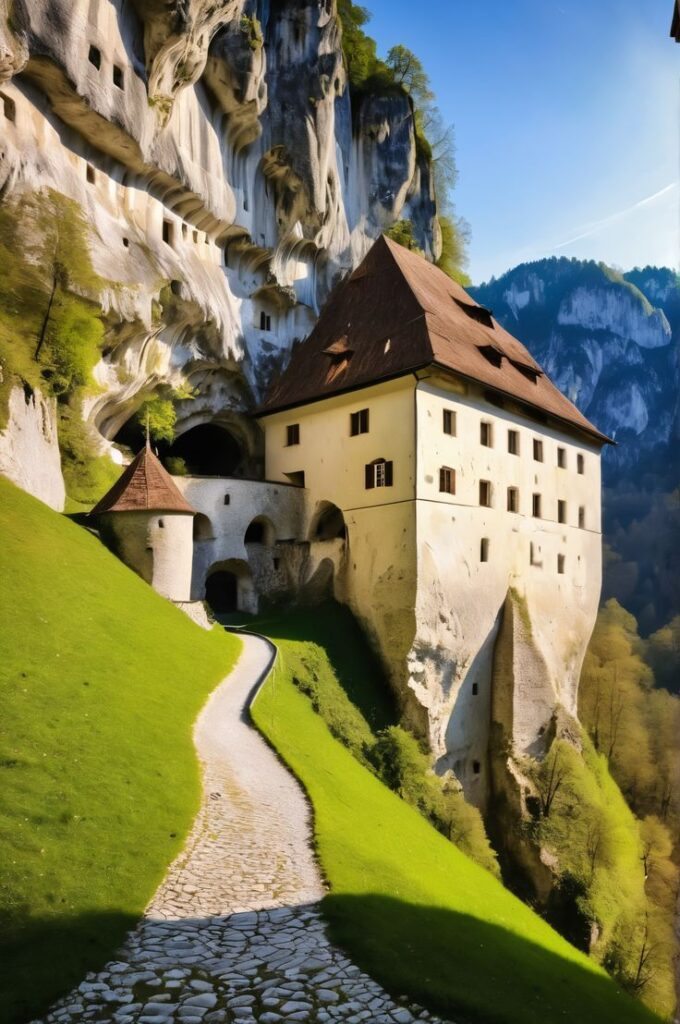
Slovenia’s Casino Fortress: How Strict Licensing Blocks Competition
The Impenetrable Wall of Slovenian Gaming Regulation
Slovenia’s casino market operates under one of Europe’s most restrictive licensing frameworks, creating what industry insiders call a “regulatory fortress” that effectively blocks new market entrants. With only 15 land-based casino licenses issued since 1995 and zero new concessions granted in the past eight years, the Alpine nation maintains an iron grip on its gambling landscape that would make even the most protective jurisdictions envious.
The numbers tell a stark story. While neighboring Austria operates over 80 gaming establishments and Croatia hosts 35 casinos, Slovenia’s market remains frozen at 15 brick-and-mortar venues. This artificial scarcity has created a peculiar ecosystem where existing operators enjoy monopolistic advantages, but players increasingly turn to international platforms like 22Bet casino to access broader gaming options and competitive odds unavailable in the domestic market.
What makes Slovenia’s approach particularly intriguing is how it intersects with the emerging crypto gambling sector. As traditional casino concessions remain locked down, cryptocurrency betting platforms operate in a regulatory gray area that’s becoming increasingly attractive to tech-savvy Slovenian players seeking alternatives to the limited domestic offerings.
The Concession System That Time Forgot
Slovenia’s casino concession framework dates back to the Gaming Act of 1995, which established a quota system limiting land-based casino operations to precisely 15 locations. This wasn’t arbitrary – the government deliberately designed the system to prevent market oversaturation while generating maximum tax revenue from a controlled number of operators. The result? A licensing structure so rigid that it hasn’t adapted to modern gambling realities.
Each concession runs for 10 years and requires operators to meet stringent financial guarantees, typically ranging from €2.5 million to €8 million depending on the venue size and location. But here’s the catch: renewal isn’t automatic, and the government has shown little appetite for expanding the total number of licenses. In 2023, when three concessions came up for renewal, the Ministry of Finance extended existing operators rather than opening competitive bidding processes.
Dr. Marko Novak, a gambling regulation expert at the University of Ljubljana, explains the government’s rationale: “Slovenia treats casino concessions like public utilities – essential services that require careful management rather than free-market competition. This approach prioritizes revenue stability over market innovation, which explains why we’re seeing such resistance to new entrants.”
Revenue Protection Over Market Competition
The financial incentives driving Slovenia’s restrictive approach become clear when examining the numbers. In 2025, the country’s 15 casinos generated €287 million in gross gaming revenue, with the government collecting approximately €89 million in various taxes and fees. That’s an effective tax rate of 31% – significantly higher than the EU average of 22% for casino operations.
This revenue concentration creates a powerful incentive for maintaining the status quo. Each existing casino averages €19.1 million in annual revenue, compared to €12.3 million for comparable venues in more competitive markets like Czech Republic or Slovakia. The government essentially trades market dynamism for predictable tax income, treating casinos as cash cows rather than competitive businesses.
The impact extends beyond simple revenue calculations. Slovenia’s Casino Association reported that employment in the sector has remained virtually static at 2,847 full-time positions since 2020, while comparable markets have seen 15-20% growth in gaming employment over the same period. Innovation stagnates when competition disappears.
Digital Disruption Meets Analog Regulation
While Slovenia’s physical casino market remains locked down, the digital gambling landscape tells a different story entirely. Online gambling licenses operate under separate regulations, creating a two-tier system that’s increasingly problematic for regulators and operators alike.
The country issued 23 online gambling licenses by the end of 2025, generating €156 million in digital gaming revenue – more than half the revenue of all physical casinos combined. This digital surge highlights the fundamental disconnect in Slovenia’s regulatory approach: while brick-and-mortar venues face artificial scarcity, online platforms compete in a relatively open market.
Cryptocurrency gambling adds another layer of complexity. Platforms operating with crypto payments often fall into regulatory gray areas, as Slovenia’s gaming laws predate widespread cryptocurrency adoption. Players using Bitcoin, Ethereum, or stablecoins for gambling activities exist in a space where traditional licensing requirements become murky at best.
The Austrian Shadow and Croatian Competition
Slovenia’s restrictive casino policies become even more puzzling when viewed against its neighbors’ approaches. Austria, sharing a 330-kilometer border with Slovenia, operates under a federal concession system that’s granted 12 new casino licenses since 2020. Austrian casinos regularly attract Slovenian players willing to drive 30-60 minutes for better gaming variety and promotional offers.
Croatia presents an even starker contrast. Despite having a smaller economy, Croatia hosts 35 casinos and has approved six new gaming developments since 2022. The Croatian model emphasizes tourism integration, with casino licenses tied to hotel and entertainment complexes that attract international visitors. Slovenia’s casinos, by contrast, primarily serve domestic markets due to limited promotional capabilities and restricted expansion options.
Industry analyst Elena Petrović from Gaming Intelligence notes: “Slovenia is essentially exporting its gambling demand to neighboring countries. Austrian and Croatian casinos report that 15-20% of their customers come from Slovenia, representing lost tax revenue and tourism opportunities for the Slovenian government.”
Crypto’s End Run Around Traditional Gatekeepers
The rise of cryptocurrency gambling platforms presents the most significant challenge to Slovenia’s controlled casino market in decades. Unlike traditional online casinos that require explicit licensing and regulatory approval, crypto gambling platforms often operate under different legal frameworks that existing Slovenian law struggles to address.
Blockchain-based gambling platforms using smart contracts, decentralized autonomous organizations (DAOs), and cryptocurrency payments create regulatory headaches for authorities accustomed to controlling market entry through traditional licensing. These platforms don’t require physical presence, banking relationships, or conventional payment processing – the very tools regulators use to maintain market control.
Recent data suggests that Slovenian players wagered approximately €43 million on cryptocurrency gambling platforms in 2025, representing money that bypassed both domestic casinos and the traditional online gambling licensing system. This figure likely understates actual activity, as cryptocurrency transactions are inherently difficult to track comprehensively.
The Innovation Deficit and Market Stagnation
Slovenia’s restrictive concession system creates more than just market entry barriers – it actively discourages innovation within the existing casino sector. When operators know their licenses are secure and competition is artificially limited, the incentive to invest in new technologies, customer experiences, or gaming innovations diminishes substantially.
A comparison with Estonia illustrates this innovation gap clearly. Estonia, with a similar population size, has embraced digital-first gambling regulation and blockchain integration. Estonian casinos regularly pilot new gaming technologies, cryptocurrency payment systems, and innovative customer loyalty programs. Slovenian casinos, protected by regulatory barriers, have shown minimal interest in such developments.
The stagnation extends to customer service and facility upgrades. While casinos in competitive markets regularly renovate gaming floors, introduce new slot machine technologies, and expand dining and entertainment options, Slovenia’s protected operators have little pressure to make such investments. The result is a gaming environment that feels increasingly dated compared to international standards.
Future Pressures and Potential Cracks in the System
Several factors are beginning to pressure Slovenia’s rigid casino concession system, suggesting potential changes ahead. EU single market regulations increasingly scrutinize national gambling monopolies and artificial market restrictions. The European Court of Justice has ruled against similar protective measures in other member states, creating legal precedents that could affect Slovenia’s approach.
Demographic shifts also threaten the current system’s sustainability. Younger Slovenian gamblers, comfortable with digital platforms and cryptocurrency transactions, show little loyalty to traditional casino venues. Survey data from 2025 indicates that 67% of Slovenian gamblers aged 21-35 prefer online platforms over physical casinos, compared to just 23% of players over 50.
The government faces a growing dilemma: maintain the current restrictive system and watch gambling revenue leak to international platforms and neighboring countries, or open the market and risk disrupting the stable tax income that existing casinos provide. With Slovenia’s casino tax revenue declining 8% in 2025 despite overall economic growth, the pressure for reform is mounting.
As cryptocurrency gambling platforms continue expanding their reach and traditional regulatory tools prove inadequate for controlling digital innovation, Slovenia’s casino fortress may prove less impenetrable than its architects intended. The question isn’t whether change will come, but whether Slovenia will lead that change or be forced to react to market forces beyond its control.